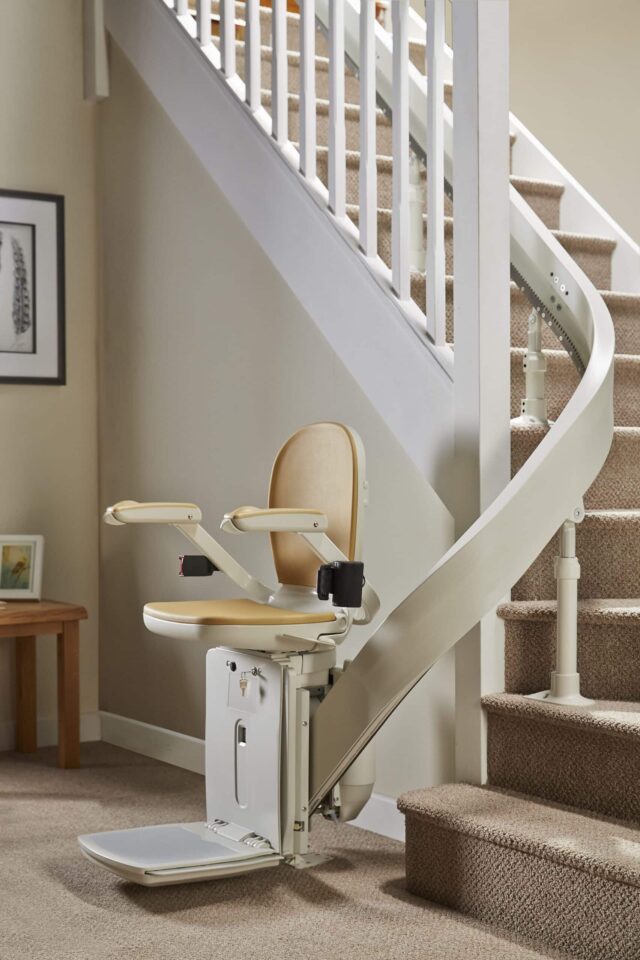
A stairlift should make the journey between floors easier, but that depends on more than choosing a recognisable brand. The rail must suit the staircase, the seat and controls must suit the user, and the installer needs to explain how the equipment will fit into everyday life. A detailed conversation before ordering can reveal practical issues that a brochure or headline price will not address.
When speaking to DHG Services or comparing installation proposals, ask for clear answers that relate to your home. The following questions help you assess the recommendation, understand the complete cost and establish what support will be available after installation.
How Will You Assess the Staircase and the Person Using It?
A useful survey considers both the property and the user. Staircase measurements need to account for bends, changes in gradient, available width and the space at each landing. The assessment should also explore how comfortably the person can sit, operate the controls and transfer onto and off the seat. If a walking aid is needed, discuss how it will be available on each floor rather than assuming the stairlift solves every part of the journey.
Ask whether the intended user should be present and what information would help the surveyor. Explain difficulties with bending, reaching, balance or standing that could affect the choice of seat and features. Where transfer ability is uncertain, an occupational therapist can help assess the person’s needs. A recommendation based only on staircase photographs may miss these important details.
Why Have You Recommended This Model and Rail Layout?
The installer should explain why the proposed configuration suits the staircase. A straight rail is intended for an appropriate straight flight, while stairs with turns or intermediate landings may need a different arrangement. Ask where the rail will start and finish, where the chair will park and how the user will get off at the top. These details affect convenience as much as the model name.
Discuss nearby doors, radiators, cupboards and passageways. A rail end that projects into a hallway needs particular consideration, and a folding rail may be an option for some layouts. Ask to see the proposed arrangement clearly before ordering. Our guide to choosing the right Acorn stairlift explores the relationship between the staircase, the equipment and the user.
Which Features Are Essential for This User?
Ask the installer to separate necessary accessibility features from optional preferences. A powered swivel seat or powered footrest may be particularly useful for someone who struggles with the movements needed to use a manual version. However, availability varies by model, and a feature should be recommended because it addresses an actual difficulty.
Request a demonstration where possible, including the control, seat belt and transfer arrangement. For example, Acorn explains its obstacle sensors and lockable swivel seat, but the installer still needs to show how the chosen equipment will be used in your home. Safety features should support correct operation; they are not a reason to leave objects on the stairs or ignore the operating instructions.
What Does the Written Price Include?
A quotation should identify the model, whether the equipment is new or refurbished, the rail configuration and the agreed accessories. Ask whether installation, electrical preparation, testing and handover are included. If an existing stairlift must be removed, establish whether that work and disposal are covered or priced separately.
Check the VAT treatment, payment stages and any exclusions before comparing totals. Where a price depends on further checks, ask when it will become final and what could change it. Our guide to getting a stairlift quote can help you compare proposals on the same basis rather than choosing between figures that cover different work.
Who Will Install It, and What Must Happen First?
Ask who will carry out the work and what experience they have with the selected equipment. Establish whether the company uses its own engineers or another installation provider, and who remains responsible for the finished installation. This also gives you a named point of contact if preparation or scheduling needs to change.
Discuss the complete programme, including any rail preparation, delivery and electrical work, rather than just the time spent fitting the equipment. Ask which areas need clearing and whether the staircase will be available during installation. Our stairlift installation process guide provides a useful starting point for understanding the stages before handover.
What Happens If the Stairlift Stops or There Is a Power Cut?
The answer should relate to the exact model. Ask how it charges, where it needs to be parked and how to recognise that charging is taking place. Battery condition, charge level and usage affect operation during a mains interruption, so a fixed promise about the number of journeys should not replace the manufacturer’s guidance.
Also ask what household members should do if the lift stops unexpectedly. The installer should explain the normal checks permitted in the user instructions and when to contact an engineer. You should leave handover with clear support details and an understanding of the equipment’s limits. Read our guide to stairlifts during a power cut for further background.
What Are the Warranty and Servicing Arrangements?
Find out who provides the warranty, how long it lasts and which costs it covers. Parts, labour, travel, batteries and wear-related replacements may be treated differently. Ask whether servicing is included, whether maintenance conditions apply and what happens once the initial cover ends.
Aftercare should be specific enough to help you plan. Establish the contact hours, the process for booking a repair and whether an emergency service is available for your location. A service visit and a breakdown call-out are different arrangements, so clarify both. The ability to obtain support for the selected model matters throughout ownership.
Make the Decision With the Complete Installation in Mind
The right installer should make the recommendation understandable and give you time to review it. Keep a written record of the agreed configuration, features, price and support arrangements so you can check that the proposal answers your practical requirements.
For advice about stairlifts in Dudley, contact DHG Services to discuss the staircase and the person who will use it. A careful assessment is the foundation of an installation that works comfortably in everyday life.