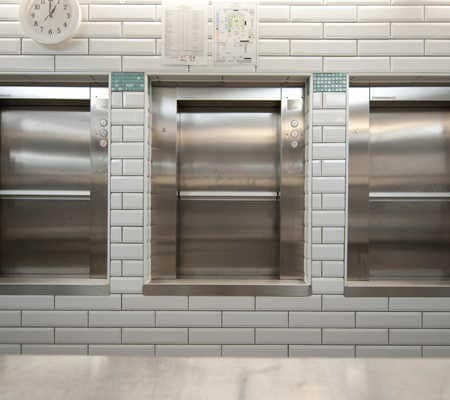
Move food, crockery, laundry, documents and other goods safely between floors with a dumbwaiter lift designed around your building. DHG Services supplies and installs bespoke dumbwaiters for commercial, hospitality, healthcare and residential environments throughout the UK.
Every installation begins with a detailed assessment of the items being transported, the required capacity, the number of floors and the available route through the building.
Made to Measure
Car dimensions and entrances designed around your requirements
Goods Only
Purpose-built systems for transporting items between floors
Commercial and Domestic
Options for workplaces, hospitality venues and private homes
12 Month Guarantee
Discuss Your Dumbwaiter Requirements
Tell us what needs to be transported, how frequently the lift will be used and which floors it needs to serve. Our team will discuss suitable systems and arrange a survey of your building.
Send Message
No obligation. We will never pass your details to third parties.
★★★★★
Rated Excellent
by customers using DHG Services for lift and mobility installations
DHG Services installed a lift for our business. The service was fantastic from start to finish.
Verified reviewer · Lift Installation
Bespoke Dumbwaiter Installation from DHG Services
A dumbwaiter is a compact goods lift designed to transport items rather than people. It allows loads to move vertically between floors inside a secure lift car, reducing the need for staff, residents or other building users to carry goods on staircases.
At DHG Services, we supply and install dumbwaiter lifts for restaurants, hotels, care environments, offices, retail premises, public buildings and private homes. Each system is specified according to what it will carry and how it will be used.
A restaurant may need to move prepared meals and crockery between a basement kitchen and an upper dining area. A hotel might use a service lift for linen, towels or room-service items. In an office, a smaller goods lift can transport documents, parcels and supplies. Residential dumbwaiters can be used for shopping, laundry, luggage and household items.
The required lift car, load capacity, door configuration and internal finish will vary between these applications. Hygienic stainless-steel finishes may be appropriate for food or healthcare environments, while a residential installation may prioritise discreet integration with the surrounding interior.
Our experienced team will assess the building, discuss your intended loads and provide a written proposal for an appropriate dumbwaiter system.
A Compact Way to Move Goods Between Floors
Dumbwaiters are smaller than passenger lifts and are designed exclusively for transporting goods. Their compact dimensions can make them suitable for buildings where a larger goods lift would occupy too much space.
Efficient
Move goods directly between working areas
Adaptable
Car sizes, capacities and entrances for different applications
Supported
Professional installation and continued aftercare
How a Dumbwaiter Works
A dumbwaiter contains a compact lift car that moves vertically within a purpose-designed structure or shaft. Landing doors provide access at each stopping point, while call-and-send controls allow the user to move the car to the required floor.
Items are placed inside the car before the landing door is closed. The system then transports the load to the selected level, where it can be removed safely. Door interlocks and other controls help prevent access while the car is moving or positioned at another landing.
The lift car can be configured around the intended loads. Shelving, internal dimensions, entrance positions and finishes may all be adapted to suit the application.
A dumbwaiter must never be used to transport people. Businesses and household members should operate the system within its stated load capacity and according to the manufacturer’s instructions.
An ideal system for
Buildings where food, supplies, documents or household goods need to be moved regularly between different floors.
Benefits of Installing a Dumbwaiter
Reduced Manual Handling
A dumbwaiter reduces the need to carry heavy, awkward, hot or fragile items on stairs. This can make routine handling easier and support a safer working environment.
Faster Movement of Goods
Items can travel directly between departments, kitchens, dining areas, stockrooms or residential floors without repeated journeys through the building.
Better Use of Staff Time
Employees can spend less time transporting items manually and more time completing their main responsibilities.
More Consistent Workflows
A clearly planned loading and unloading route can improve communication between separate working areas and reduce congestion on staircases.
Compact Installation
A dumbwaiter normally occupies considerably less space than a passenger or full-sized goods lift, making it suitable for many constrained buildings.
Protection for Transported Items
Secure movement within the lift car can reduce the risk of dropped items, spillages and accidental damage during transport.
Dumbwaiters for Different Environments
The same basic lift principle can support very different buildings and operations. The specification must therefore reflect the intended contents, usage frequency and surrounding environment.
Restaurants, Cafés and Bars
Food-service dumbwaiters can connect kitchens, bars, dining rooms and washing areas. They may be used for plated meals, drinks, crockery, cutlery and other service items.
The car dimensions should reflect the trays and containers used by the business. Stainless-steel interiors and easy-clean surfaces may be specified where hygiene is a priority.
Hotels and Hospitality Venues
Hotels can use dumbwaiters for room-service trays, linen, towels, cleaning products and guest supplies. The system can reduce repeated staff journeys between service areas and accommodation floors.
The number of stops and required capacity will depend on the size and layout of the property.
Care and Healthcare Environments
A dumbwaiter may support the controlled movement of meals, linen, documents and appropriate supplies. Hygiene requirements, access controls and separation between clean and used items should be considered during specification.
The system must be incorporated into the wider operational and safety procedures of the building.
Offices and Public Buildings
Offices, archives, libraries and other managed buildings can use small goods lifts for files, books, internal post, parcels and equipment.
A dumbwaiter may be particularly valuable where storage and working departments are located on separate floors.
Retail and Commercial Premises
Retailers can use dumbwaiters to move smaller stock items between storage areas and customer-facing floors. This can reduce disruption and make replenishment more efficient.
The car and rated capacity should be based on the largest regular load rather than an average item.
Private Homes
A residential dumbwaiter can transport shopping, meals, laundry, luggage and household supplies between levels. It can be useful in townhouses, split-level homes and larger properties where frequently used rooms are separated by several floors.
A dumbwaiter carries goods only. Customers requiring a lift to transport people should explore DHG Services’ home lift options.
Choosing the Correct Dumbwaiter Specification
A successful dumbwaiter installation begins with a clear understanding of what the lift needs to transport. The weight, dimensions, temperature and condition of the items can all affect the required specification.
Load Capacity
The rated capacity must accommodate the heaviest expected load without being exceeded. Loads should include the combined weight of containers, trays, shelves and their contents.
Selecting an appropriate capacity provides flexibility while avoiding a larger system than the building or operation requires.
Lift Car Dimensions
The internal width, depth and height should accommodate the items used by the customer. Restaurants may need to measure trays and crockery racks, while an office might require enough space for archive boxes or mail containers.
Number of Floors
The building must provide a suitable vertical route between every required stopping point. The number of landings and total travel distance can influence the equipment and supporting structure.
Door Arrangement
Entrances may be positioned on the same side, opposing sides or adjacent sides, depending on the available system and building layout. The correct arrangement can help separate loading and unloading areas or improve workflow between departments.
Internal Finish
Stainless steel is commonly selected for commercial kitchens and other hygiene-conscious environments because it provides a durable, easy-clean surface. Alternative finishes may be available for offices and residential interiors.
Frequency of Use
A busy restaurant may operate its dumbwaiter repeatedly throughout a service period, while a residential system may be used only several times each day. The anticipated duty cycle should be considered when selecting the equipment.
Planning a Dumbwaiter Installation
Installation begins with a survey of the building and the proposed route. We inspect each landing, measure the available space and discuss how goods currently move between floors.
The lift must be positioned where it supports the intended workflow. A restaurant installation may need convenient access from both the kitchen and serving area, while an office may require stops close to storage and administrative departments.
The survey considers floor construction, wall positions, ceiling heights, electrical requirements and existing services. It also examines how equipment will be delivered into the building and whether working areas must remain operational during installation.
Where a new shaft, enclosure or opening is required, the associated building work must be planned before the lift is fitted. Fire separation, access restrictions and finishing around the landing doors may also need consideration.
Requirements Assessment
We establish what the dumbwaiter will carry and how often it will operate.
Building Survey
Potential routes, landing positions and structural requirements are assessed.
System Specification
The load capacity, car dimensions, entrances, finishes and controls are agreed.
Installation and Testing
The dumbwaiter is fitted, commissioned and tested before handover.
User Instruction
Relevant staff or household members are shown how to load and operate the system correctly.
Dumbwaiter Safety and Compliance
A dumbwaiter is a goods-only lifting system and must not be entered or used to carry a person. Clear operating instructions should be provided to everyone who will use it.
Depending on the selected system, safety provisions may include:
- Interlocked landing doors
- Overload protection
- Controlled starting and stopping
- Secure braking systems
- Emergency stop controls
- Car-position indicators
- Restricted or key-controlled operation
- Fire-rated landing doors where required
- Fault and status indicators
The required safety arrangements depend on the lift, building and intended application. Commercial operators may also have inspection, maintenance and workplace responsibilities that need to be considered as part of their wider lifting-equipment procedures.
Users should avoid overloading the car, obstructing doors or transporting unsuitable items. Any changes in operating noise, movement or door behaviour should be reported and investigated.
Building Work and Fire Protection
A dumbwaiter normally requires a suitable vertical enclosure, supporting structure and landing openings. The extent of the work depends on whether the system is being included in a new development or retrofitted into an existing building.
Creating openings between floors can affect structure and fire separation. The design may therefore need input from Building Control, a structural professional or a fire-safety specialist.
Restaurants, hotels, care facilities and other managed premises may have additional requirements concerning compartmentation, protected routes and fire-rated doors. These matters should be resolved before the final lift and building design is approved.
Listed properties, leasehold buildings and rented commercial premises may require consent from the owner, freeholder, landlord or managing agent. DHG Services will identify known installation considerations during the survey and explain any information required before the project proceeds.
WHY CHOOSE DHG
Why Choose DHG Services for Your Dumbwaiter?
DHG Services provides professional advice, installation and continued support for customers requiring a reliable small goods lift.
Bespoke Recommendations
The system is selected according to the building, intended loads and daily workflow.
Commercial Experience
Dumbwaiters can be specified for hospitality, healthcare, office, retail and managed environments.
Domestic Options
Compact systems are available for moving household items between floors.
Suitable Finishes
Available specifications can include durable and hygiene-conscious internal surfaces.
Professional Installation
The lift is installed, tested and demonstrated before being placed into use.
Clear Project Information
Customers receive an explanation of the proposed equipment and known preparation work.
Nationwide Coverage
Specialist dumbwaiter installation is available for suitable projects throughout the UK.
Continued Aftercare
Servicing, maintenance and repair arrangements can be discussed as part of the project.
Dumbwaiter Servicing and Maintenance
Regular maintenance helps keep a dumbwaiter operating safely and reliably. This is particularly important in restaurants, hotels and other buildings where the lift supports daily operations.
A service visit may include inspection of the drive system, guide components, doors, interlocks, controls and safety equipment. Wear, unusual movement and developing faults can then be identified before they cause a more disruptive breakdown.
The appropriate maintenance frequency depends on the system, duty cycle and operating environment. A heavily used food lift may require a different servicing schedule from a dumbwaiter installed in a private home.
Users should also keep the lift car and landing areas clean, follow the stated load limit and report faults promptly. Continuing to operate a lift that is moving irregularly or displaying a fault can lead to additional damage.
DHG Services can explain the available servicing and aftercare arrangements before your dumbwaiter is installed.
Discuss Your Lift Requirements
Dumbwaiter or Larger Goods Lift?
A dumbwaiter is suitable for smaller items that can be loaded and unloaded by hand. It does not carry passengers, pallet trucks or people accompanying goods.
A larger goods lift may be necessary when the customer needs to transport trolleys, pallets, substantial equipment or considerably heavier loads. These systems require more space and may involve different structural and regulatory requirements.
If people need to travel between floors, a dumbwaiter is not suitable. Depending on the building and user, a passenger lift, platform lift, through-floor lift or domestic home lift may be required.
Our team will discuss what needs to be transported and help identify the correct category of lift before developing a proposal.
FREQUENTLY ASKED QUESTIONS
Frequently Asked Questions About Dumbwaiters
The correct dumbwaiter depends on the building, the goods being moved and the required frequency of use. These answers address some of the points commonly raised before installation.
What is a dumbwaiter lift?
A dumbwaiter is a compact lift designed exclusively to move goods between different floors of a building. It contains a small lift car that travels inside a shaft or supporting structure, with secure landing doors at each stopping point. Dumbwaiters may be used for food, crockery, linen, documents, shopping and other manageable items. They are commonly installed in restaurants, hotels, care environments, offices and larger homes. A dumbwaiter is not a passenger lift and must never be used to transport a person. Its car size, rated capacity, entrances and internal finish should be selected according to the items and operating environment.
How much weight can a dumbwaiter carry?
The capacity depends on the selected lift system and its intended application. Smaller residential dumbwaiters may be designed for shopping, laundry and household items, while commercial systems can accommodate heavier trays, crockery, stock or supplies. The specification should be based on the heaviest expected load, including containers, shelving and everything placed inside them. Choosing capacity from an average load can leave the system unsuitable during busier periods. Equally, an unnecessarily large lift may require more space and building work. DHG Services will discuss the items being transported and recommend an appropriate rated capacity following a survey of the premises.
Can a dumbwaiter be used to transport people?
No. A dumbwaiter is a goods-only lift and is not designed, certified or protected for passenger travel. The lift car, entrances, controls and safety arrangements differ from those used for a passenger, platform or domestic home lift. Nobody should enter the car, attempt to ride inside it or use it to transport a child or animal. Operating instructions should make this restriction clear to staff, residents and anyone else with access to the system. If a person needs assistance moving between floors, DHG Services can discuss passenger-carrying alternatives, including home lifts and through-floor lifts, that are specifically designed around accessibility and safe human travel.
Can a dumbwaiter be installed in an existing building?
A dumbwaiter can often be retrofitted, provided the building has a suitable vertical route and enough space at each required landing. The survey will assess floors, walls, ceiling heights, utilities and loading areas before a system is recommended. Structural preparation may be needed to create openings or support the enclosure. Installation can also affect fire separation, particularly in restaurants, hotels, care premises and other managed buildings. Listed properties and leasehold or rented premises may require additional consent. Retrofitting generally requires more coordination than including the lift in a new development, but careful planning can help integrate it without unnecessarily disrupting how the building operates.
Are dumbwaiters suitable for restaurants and commercial kitchens?
Yes. Dumbwaiters are commonly used to move plated meals, ingredients, drinks, crockery and kitchen equipment between separate preparation, serving and washing areas. The lift should be positioned around the restaurant’s actual workflow so staff can load and unload it without creating new obstructions. Car dimensions need to accommodate the trays and containers used by the business, while stainless-steel interiors and easy-clean surfaces may be appropriate for hygiene-conscious environments. Door configuration, frequency of use and fire separation should also be assessed. The system must be cleaned, operated and maintained according to the manufacturer’s instructions and the premises’ wider food-safety procedures.
How often does a dumbwaiter need servicing?
The appropriate servicing frequency depends on the lift model, its operating environment and how intensively it is used. A dumbwaiter completing repeated journeys throughout restaurant service may require more frequent attention than one used occasionally in a private home. Maintenance normally considers the drive system, guides, doors, interlocks, controls and other safety components. Regular inspections can identify wear or developing faults before they lead to unplanned downtime. Commercial operators may also have statutory inspection and workplace equipment responsibilities separate from routine manufacturer maintenance. DHG Services can explain the recommended servicing arrangements for the selected system and help customers plan suitable aftercare before installation is completed.
Arrange a Dumbwaiter Survey
Improve the movement of food, supplies, documents or household goods with a dumbwaiter specified around your building. DHG Services provides professional surveys, bespoke recommendations, installation and continued support throughout the UK.