When your home becomes difficult to use, adapting it may provide a practical way to remain in familiar surroundings. Improving access between floors, changing the bathroom or making the entrance easier to negotiate can address some of the reasons people begin considering a move. The right approach depends on which daily tasks are difficult and whether the property can accommodate suitable changes.
At DHG Services, we help homeowners explore mobility equipment and installation requirements. These five adaptations offer different ways to improve everyday access, from retaining upstairs accommodation to reorganising essential facilities downstairs. Assessing them against your needs can give you a clearer understanding of what is possible before deciding whether to move.
Assess Your Everyday Needs Before Choosing an Adaptation
Start by describing how you use the house throughout the day. Identify the rooms you need to reach, the activities that have become demanding and any assistance you currently receive. Include getting through the entrance, preparing meals, washing, using the toilet and reaching your bedroom. A change that solves one difficulty may leave another unresolved, so consider the complete routine.
A home adaptation assessment can help identify appropriate changes. The NHS explains how to request this through your local council, with an occupational therapist considering the tasks you find difficult. Its home adaptations guidance provides a starting point. A supplier’s technical survey can then establish how particular equipment or building work could fit the property.
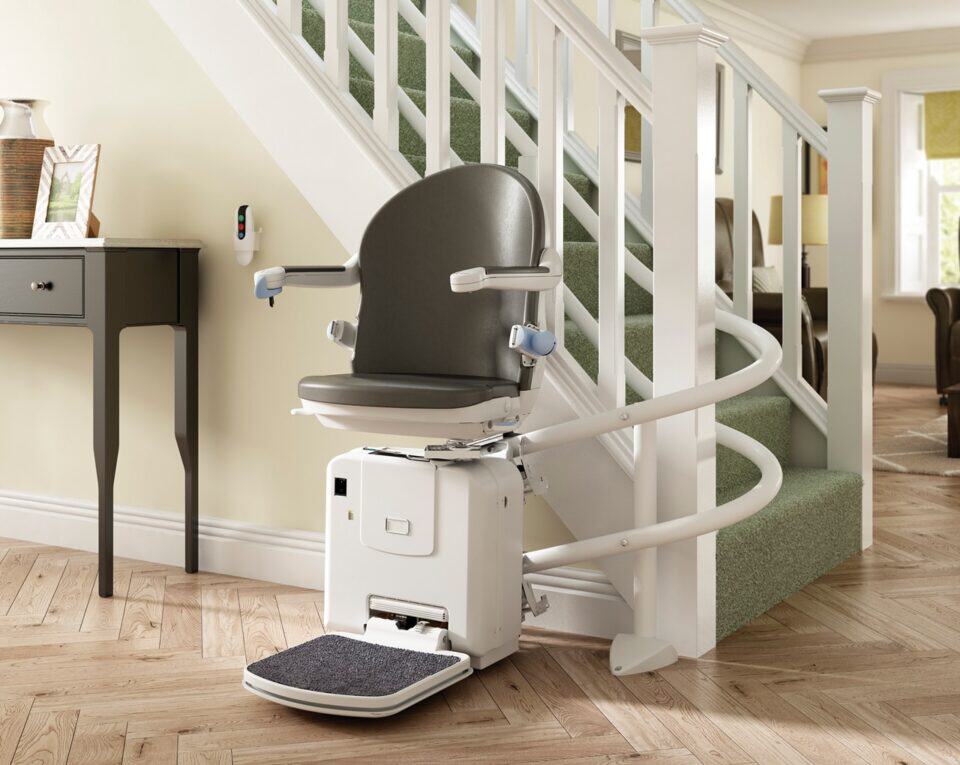
1. Install a Stairlift to Keep Upstairs Rooms Accessible
A stairlift is worth assessing when the main difficulty is climbing the staircase and seated travel is appropriate. It can provide access to an upstairs bedroom, bathroom or other living space while allowing those rooms to remain in use. The survey needs to establish the rail route, boarding positions and clearance, together with the passenger’s ability to transfer, use the controls and leave the chair comfortably.
Straight and curved staircases require different arrangements, and nearby doors or restricted landings can affect the specification. Explain any help required and how walking aids will be available at the destination. Our guide to choosing an Acorn stairlift covers these decisions. A suitable installation may reduce the pressure to relocate essential rooms downstairs, particularly where the rest of the property continues to meet your needs.
2. Consider a Home Lift for Access Between Floors
A home lift may be appropriate where you need to travel with a wheelchair, require space for an accompanying person or find seated stairlift transfers difficult. Depending on the model, it can connect rooms on two levels or serve several floors. Its position should provide useful access at every destination, with entrances and controls that suit the intended passenger.
The assessment must cover the actual wheelchair dimensions, combined load and space needed to approach and leave. It also needs to establish the vertical route, structural preparation, electrical provision and associated building work. Our home lift comparison guide explains the options to investigate. Keeping upstairs accommodation accessible can help preserve downstairs living space, but the proposed lift should be compared with other workable arrangements and their complete ownership costs.
3. Adapt the Bathroom Around Washing and Toileting
An accessible bathroom can address difficulties that otherwise make a suitable home hard to manage. Possible changes include a level-access or low-threshold shower, appropriate seating, assessed support rails and controls within comfortable reach. A walk-in bath may suit some people who prefer bathing, provided its entrance and filling-and-draining routine work for them. The toilet, washbasin and approach space deserve the same attention as the bathing equipment.
Plan the room around the person’s movements and any assistance required. Include where a walking frame or wheelchair will be positioned, whether a helper needs space and how towels and toiletries can be reached. Our bathing solutions page explains options available through DHG Services. Improving the bathroom may help you remain at home when washing has become the main difficulty, especially when the route to the room is also manageable.
4. Improve Access Through the Entrance and Outdoor Routes
Steps, thresholds and restricted approach space can make entering and leaving the property difficult even when the internal rooms work well. An assessment may consider a suitable ramp, support rails, doorway alterations or an external platform lift, depending on the height difference, available space and user requirements. The proposal should cover the full route from the approach to the doorway and into the home.
Outdoor access needs careful planning around door movement, landing space, weather exposure and drainage. If a wheelchair is used, check the complete manoeuvre rather than considering only the width of the entrance. Our external platform lift guide explains the installation questions to investigate. Making the entrance more manageable can support continued use of the property and easier access to everyday activities beyond it.
5. Create a Suitable Downstairs Bedroom and Essential Facilities
Reorganising accommodation downstairs may be worth considering where an appropriate room is available and you prefer to reduce reliance on travel between floors. A study, dining room or additional reception room could be assessed for conversion into a bedroom. The assessment should consider privacy, heating, ventilation, space around the bed and access to washing and toilet facilities.
Moving the bed downstairs alone may leave the main bathroom upstairs, so review those facilities together. Also consider how the change affects the rest of the household: losing an important living room may create a different problem with the property’s layout. Our guide to downstairs bedrooms and through-floor lifts explores the comparison. A coordinated arrangement can provide useful ground-floor accommodation where the available space and required building work make it practical.
Compare the Complete Adaptation with Your Reasons for Moving
Review each proposal against the difficulties identified at the start. A lift may improve upstairs access while leaving an unsuitable bathroom, or an adapted bathroom may still be hard to reach through narrow doorways. Some homes need a combination of changes. Establish what each option resolves, what remains difficult and whether further work would be needed.
Consider the wider reasons for wanting to stay or move as well. Nearby relatives, familiar neighbours and convenient services may make adapting attractive, while extensive upkeep or an unsuitable location may remain concerns. Obtain written quotations for the complete work rather than comparing isolated equipment prices. Our experienced DHG Services team can explain mobility equipment and installation requirements as part of that review.
Plan Costs, Funding and Continued Support
The budget should include preparation, equipment, fitting, testing and finishing work, together with any professional input or approval costs relevant to the project. For powered equipment, establish servicing requirements, warranty cover and repair arrangements. These details help you assess whether the adaptation remains affordable and practical beyond the installation date.
If you intend to seek funding, contact the organisation responsible for your area before ordering or starting work. Eligibility and approved specifications need to be established through the relevant process; a supplier’s quotation does not confirm an award. Our home adaptation grants guide explains routes to investigate. Keep assessment recommendations, quotations and approval correspondence together so everyone works from the agreed proposal.
Explore Adaptations for Your Home with DHG Services
A considered adaptation can make familiar surroundings more manageable and help you assess whether moving is necessary. Begin with your daily requirements, compare feasible changes and understand the work and support each option involves.
Customers seeking local equipment advice can explore our stairlifts in Shrewsbury service. Contact DHG Services to arrange a home survey and discuss suitable mobility and bathing solutions for your property.